

How a Construction Retention Payment Affects Ongoing Projects Articles

The industry’s retainage practices throw another wrinkle Outsource Invoicing into the process. While retainage is sometimes used in predatory ways, contractors can protect themselves by understanding the rules, their rights, and the tools available to them to collect what’s due. Retention payable is recorded by owners and general contractors and is the amount owing to contractors or subcontractors for retention. Since these funds aren’t due until the project is completed, they are recorded in a separate account on the general ledger.
- Overcoming cashflow concerns can be a major hurdle, especially for small businesses.
- Companies generally have flexibility in reporting as long as certain standard-required disclosures are addressed within the financial statements and the accompanying notes to the financial statements.
- Retainage is a valuable tool in the construction industry, especially for project owners overseeing substantial projects.
- Therefore, the retainage payable or retainage fee can range between 5-10% of the total project cost submitted by the contractor and accepted by the client.
- This ensures contractors remain motivated to complete work correctly and address issues promptly.
Tips to Help Subcontractors Deal with Retainage
- Incorporating everyone’s point of view to improve the process while simultaneously integrating cutting-edge technology is what sets our business apart.
- Use our calculators to estimate the cost of construction materials for your next project.
- After a certain amount of time passes, the surety will no longer be liable for claims against the retention bond.
- Sound contracts and well-stated milestone requirements help retainage.
Approval of the final payment ensures contractors are compensated for all completed work while protecting owners from incomplete or defective work. This verification process provides accountability, reduces disputes and confirms that the project has been delivered as agreed, giving both parties confidence in the fairness and accuracy of the retainage system. Substantial completion is the stage where a construction project is sufficiently finished for its intended use, even if minor items are incomplete. Reaching this milestone triggers partial release of construction retainage and allows owners to occupy or use the facility. It motivates contractors to complete major work on schedule and ensures that any remaining issues are minor and manageable. This stage provides a clear benchmark for progress, helping both owners and contractors track performance and plan for final inspections and payments.
- Having a clear understanding of construct proposals and state regulations will put you in a strong position to negotiate reasonable retainage terms or to set the right expectations for subcontractors.
- In the realm of construction negotiations, the term “retainage” holds a significant place, embodying a mechanism that transcends mere financial transactions.
- Accordingly, to determine proper classification of retainage, it’s critical to determine if the right to consideration is conditional or unconditional upon something other than the passage of time.
- Clients can sometimes specify that retainage is withheld indefinitely, even after the project is completed.
Business Principles
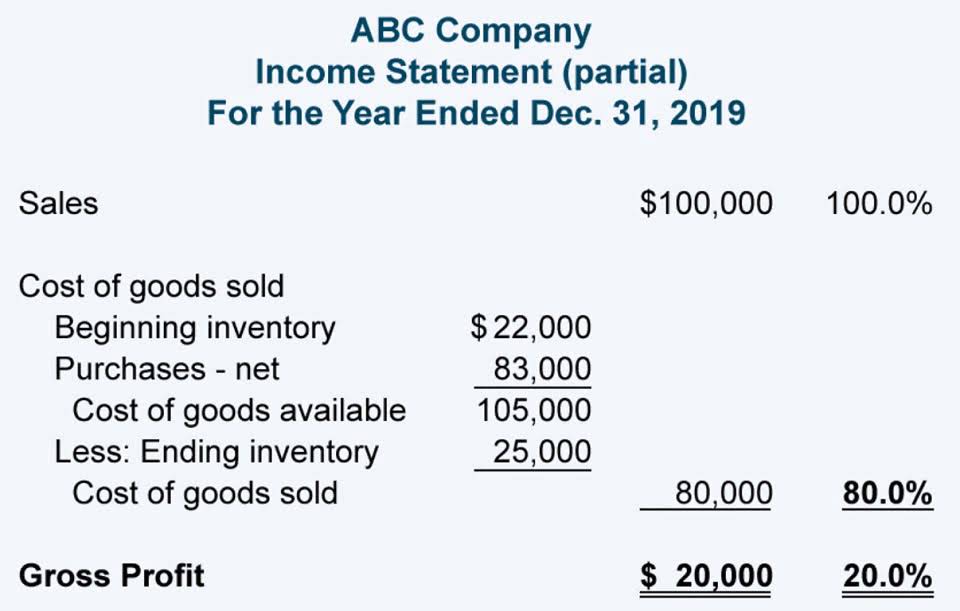
The release of retainage is intricately tied to the payment schedule outlined in the contract. Each payment is subject to a reduction based on the negotiated retainage rate. The dynamic nature of retainage in construction underscores the importance of careful consideration of contract terms and state regulations for all parties involved. There’s some flexibility with how to present and disclose retainage, receivables, contract assets, and contract liabilities in a company’s financial statements in accordance with Topic retainage vs retention 606. The following are a couple of options we’ve seen that provide the desired transparency for financial statement users in the construction industry. Exhibit 4 provides significant information about retainage on the face of the balance sheet, while Exhibit 5 provides more detailed information in the footnotes.

Residential Construction in Texas: Do Retainage Rules Apply?
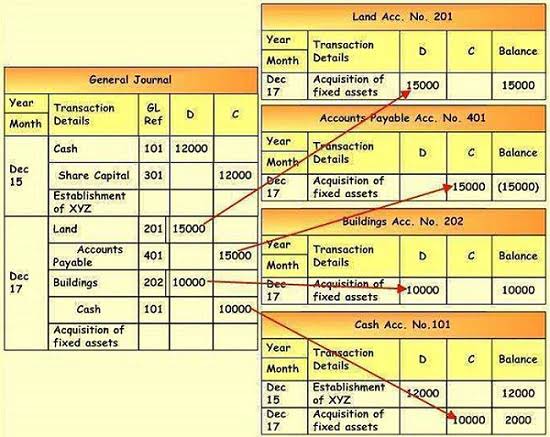
Clear terms help both retained earnings owners and contractors understand expectations, reduce disputes and ensure fair handling of withheld funds. There are several common types of construction retainage that contractors and owners use to manage payments and ensure project completion. Each type sets specific conditions for withholding and releasing funds, providing flexibility depending on project size, complexity and contractual agreements.
Contract Retention Receivables
If the party responsible (owner, general contractor, or subcontractor) does not release retainage in accordance with legal requirements, they will incur interest at the rate of 1% per month. Clients calculate retainage at a certain percentage of every payment made throughout the entire project. At times, clients may withhold it at once to pay after completing the project. However, some clients may prefer to deduct the fixed percentage from every payment made to the contractor. Therefore, the retainage payable or retainage fee can range between 5-10% of the total project cost submitted by the contractor and accepted by the client. Retainage in construction is a percentage of the total project amount that gets upheld by the client from the main or sub-contractor until that project is finished.
- Retainage in construction plays a pivotal role in construction contracts, serving as a crucial financial safeguard for project owners.
- With a proper dispute resolution clause in place, contractors, subs, and suppliers can avoid taking their disputes into litigation.
- It helps manage cash flow, ensures payments align with milestones and tracks retainage amounts.
- Certain states set upper limits on retainage, such as “no more than 5%” or “no more than 10%”.
- For example, let’s assume that ‘ACME Plumbing’ is a subcontractor on a project where retainage of 10% will be withheld from their payments.
- It can significantly impact the financial standing of contractors, especially when working on projects with a small profit margin.
At the end of the day, there’s really just one reason why a business — any business — fails. Punch list work might seem minor, but it has an improportionate impact on payment. Here are some forms and legal notices you may need to stay ahead on retainage.